
Why We Wrote a Paper About Native Plants and Wildfire
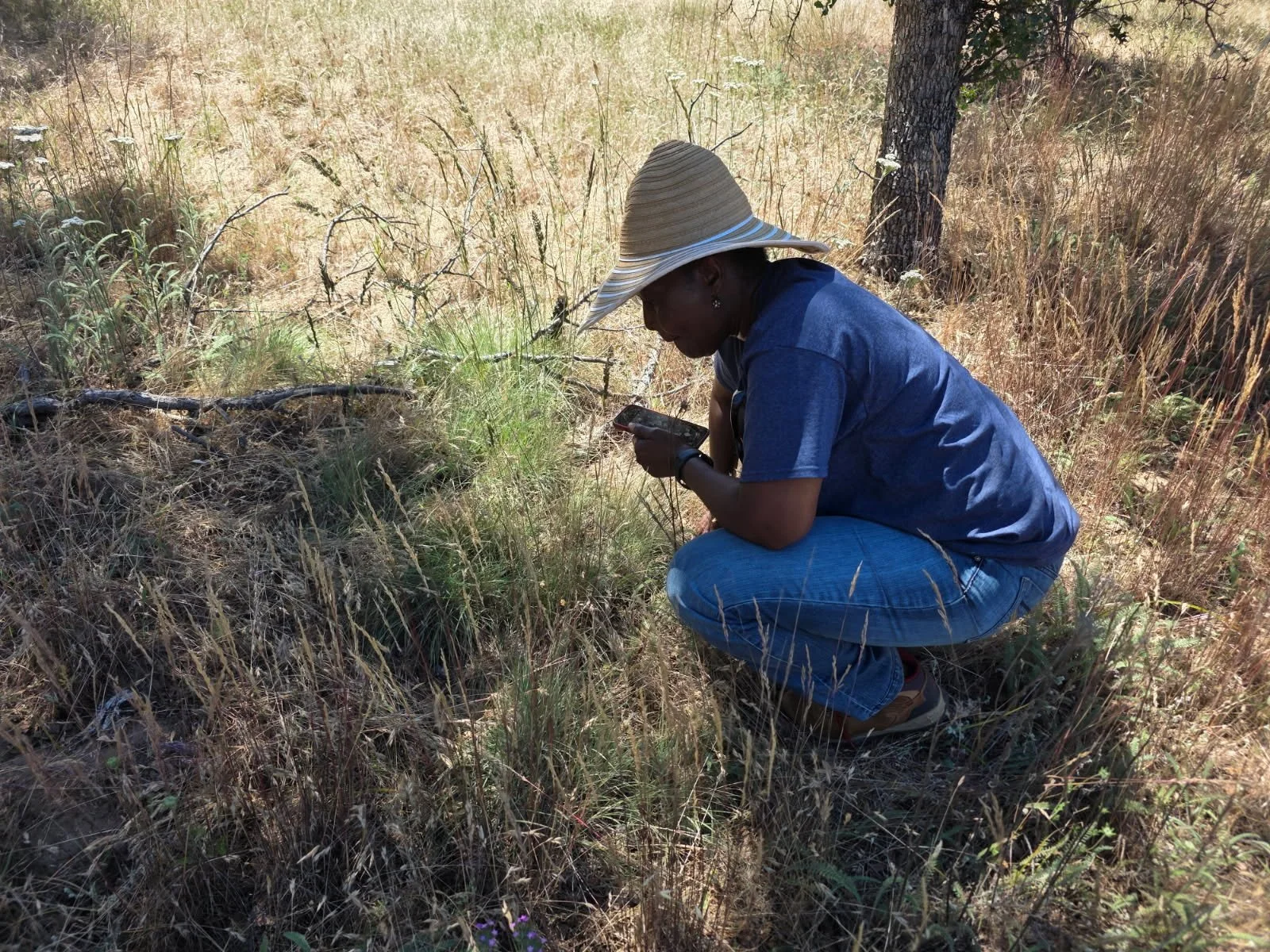
There are things you learn by living on land for years that are hard to explain at a dinner party. The way a hillside that's been overtaken by invasive annual grasses feels by August — brittle, disintegrating, silent, waiting. The way a stand of native bunchgrasses and perennial wildflowers feels different — cooler somehow, still alive, still holding something. We've known for a long time that difference wasn't just in our heads. Now we've written down why.
Our new paper, Restoring the Understory: A Case for Native Vegetation as a Natural Defense Against Wildfire and Hydrological Decline in California's Blue Oak Woodlands, is the culmination of years of observation, restoration work, and engagement with the scientific literature. It makes the case — rigorously, with citations — that the most practical and cost-effective thing California can do about wildfire and water scarcity is bring back the native plants that used to cover the ground beneath the oaks.
We're sharing it because this argument deserves a wider audience. And because we're tired of wildfire being talked about as if it's only a problem of sparks and wind, when so much of it is a problem of what's growing on the ground.
We know you're busy. Here's the version for the carpool line:
The grasslands covering most of California's foothills aren't native. They're invasive annual grasses introduced from Europe, and by late spring they're completely dead and dry — a nearly continuous carpet of fire fuel stretching across millions of acres.
Native plants do something completely different. Their roots go deep, sometimes 15 feet down, drawing moisture through the entire dry season. They stay biologically active through summer. They keep the soil humid. And they interrupt fire rather than carry it.
We know this not just from the research — though there's decades of it — but from a prescribed burn we conducted in August 2023, at the height of fire season. For two hours, we tried to ignite invasive grasses growing inside a stand of native plants. The flame would sizzle and die the moment it touched the ground. The moisture had carried all the way into the soil itself.
That's what we're trying to bring back across California's blue oak woodlands. Not just beautiful plants. Ecological infrastructure.
What you can do:
Support the RUN initiative. Our Replanting the Understory program is actively doing this work — growing locally sourced native plants in our outdoor nursery, removing invasives by hand, and getting them established in the ground. Your donation goes directly into the landscape.
Come visit. Camp under the ancient oaks. Walk land that's in the process of healing. Feel the difference between a hillside of dry invasive thatch and one where native life is still present in August. There's no better way to understand what this work is about — and no better reason to keep supporting it. Book a stay here.
Think about your own patch of ground. You don't need acreage. Whether it's a slope that won't hold grass, a dry corner of your yard, or a strip along a fence line — native perennial plants can take root there, require almost no summer water once established, and contribute something real to the larger ecological fabric. Your local native plant nursery can point you toward what belongs in your region.
The land knows how to do this. It's been doing it for millions of years. We're just trying to give it the chance.