Nowhere to Run, Nowhere to Hide
Nowhere to Hide: Why Rebuilding the Understory Can Save San Benito County's Wildlife
We've walked the grazing lands of San Benito County long enough to notice something before we could name it: the silence. Fewer birds. Fewer tracks. Fewer of the animals that once made these hills feel alive. The wildlife here is vanishing, and while the pressures are many, they share a common thread: our wildlife has nowhere left to hide.
Nowhere to Run, Nowhere to Hide
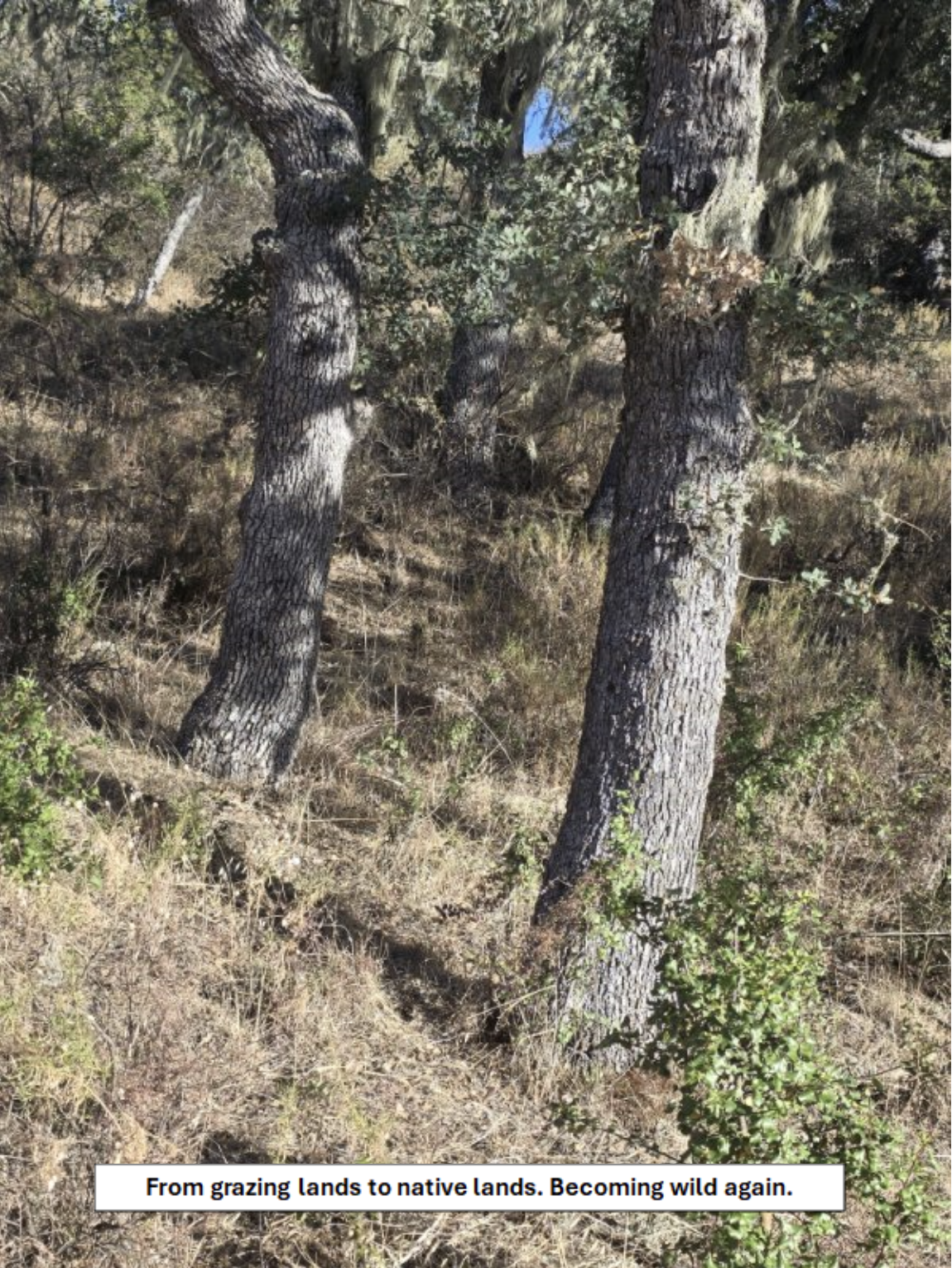
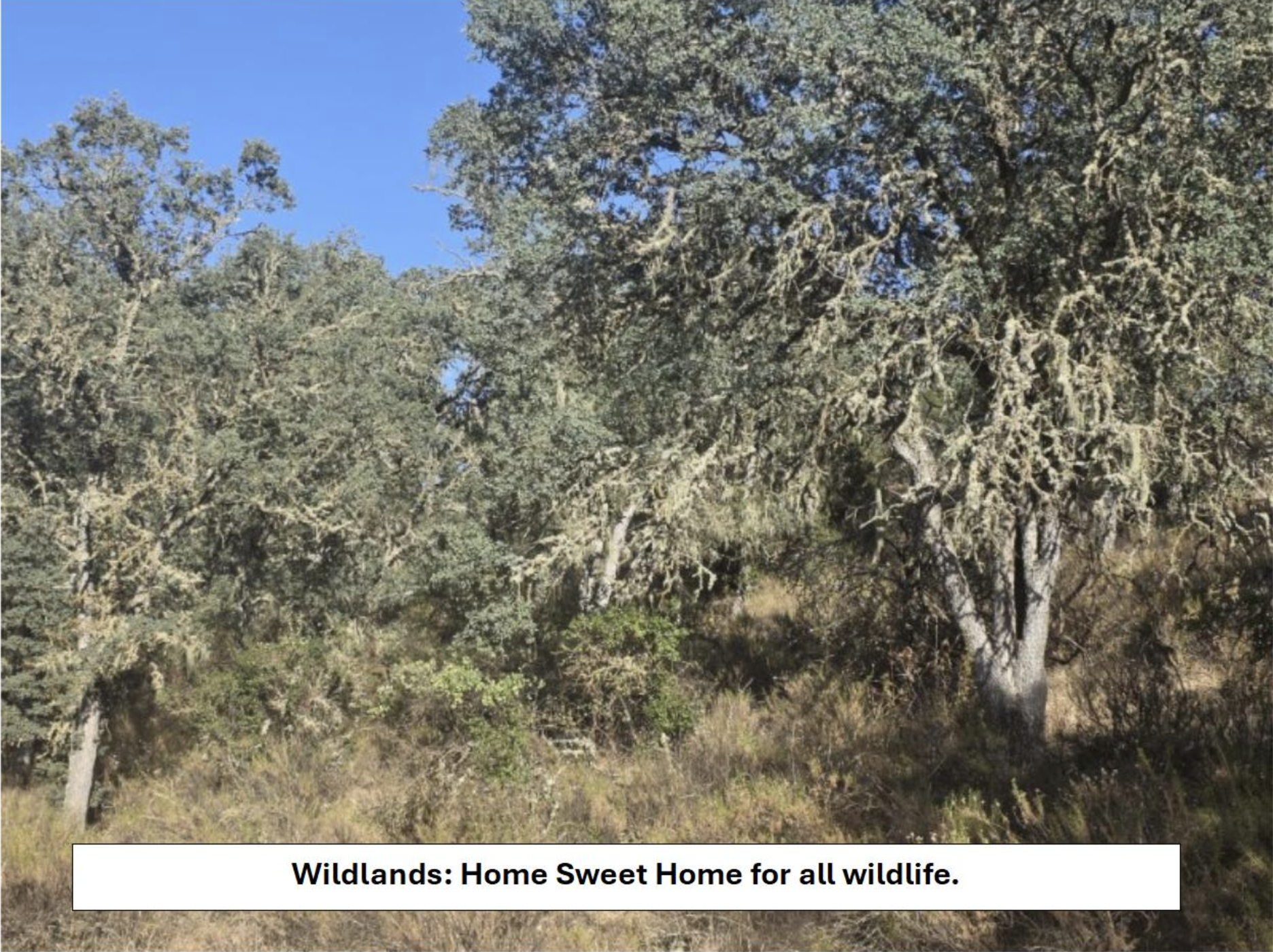
Look under the oaks and you'll see the problem we've spent years watching unfold. The native understory, the low tangle of shrubs, forbs, and leaf litter that once carpeted the ground, has largely been replaced by invasive annual grasses. What's left is open, parklike land. Too open. Even beneath the trees, there's little cover between one patch of shade and the next.
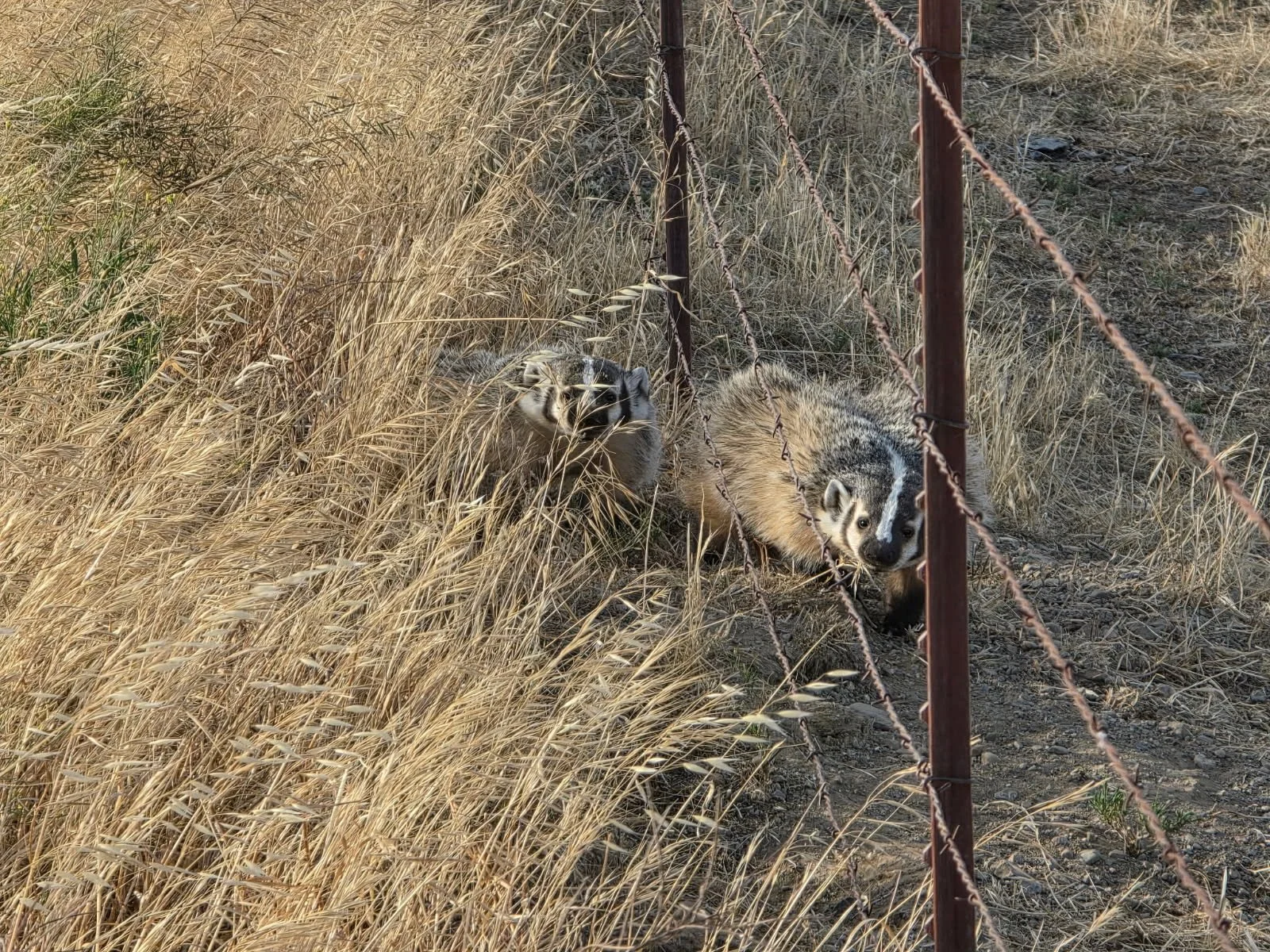
That exposure is deadly. We've watched mountain lions, bobcats, coyotes, and badgers disappear under the combined weight of poaching, pleasure killing, and a landscape that offers no concealment. Summers are hotter, water is scarce, and the distances between sources are long. Worse, some of those precious water sources have been turned into traps, baited to draw thirsty animals into the open to be shot. A predator crossing bare ground to drink is a predator with no way to survive a bad encounter.
Their food is vanishing too. Hole-dwelling prey like ground squirrels are routinely killed off across grazing lands, usually with lead bullets, stripping predators of the meals they depend on. An animal that survives the guns and the exposure can still starve, or die of lead poisoning.
A world without birds
This isn't only a story about large predators. We're seeing birds die in alarming numbers, fledglings especially. Fledglings need brush for shelter within half a mile of the nest, and with no place of safety, they're picked off before they ever gain strength or learn to survive. Reptiles that depend on natural leaf-drop habitat lose the ground cover that shelters and feeds them. When the understory goes, the whole web of life above and below it begins to unravel.
The native understory fighting fear and fire
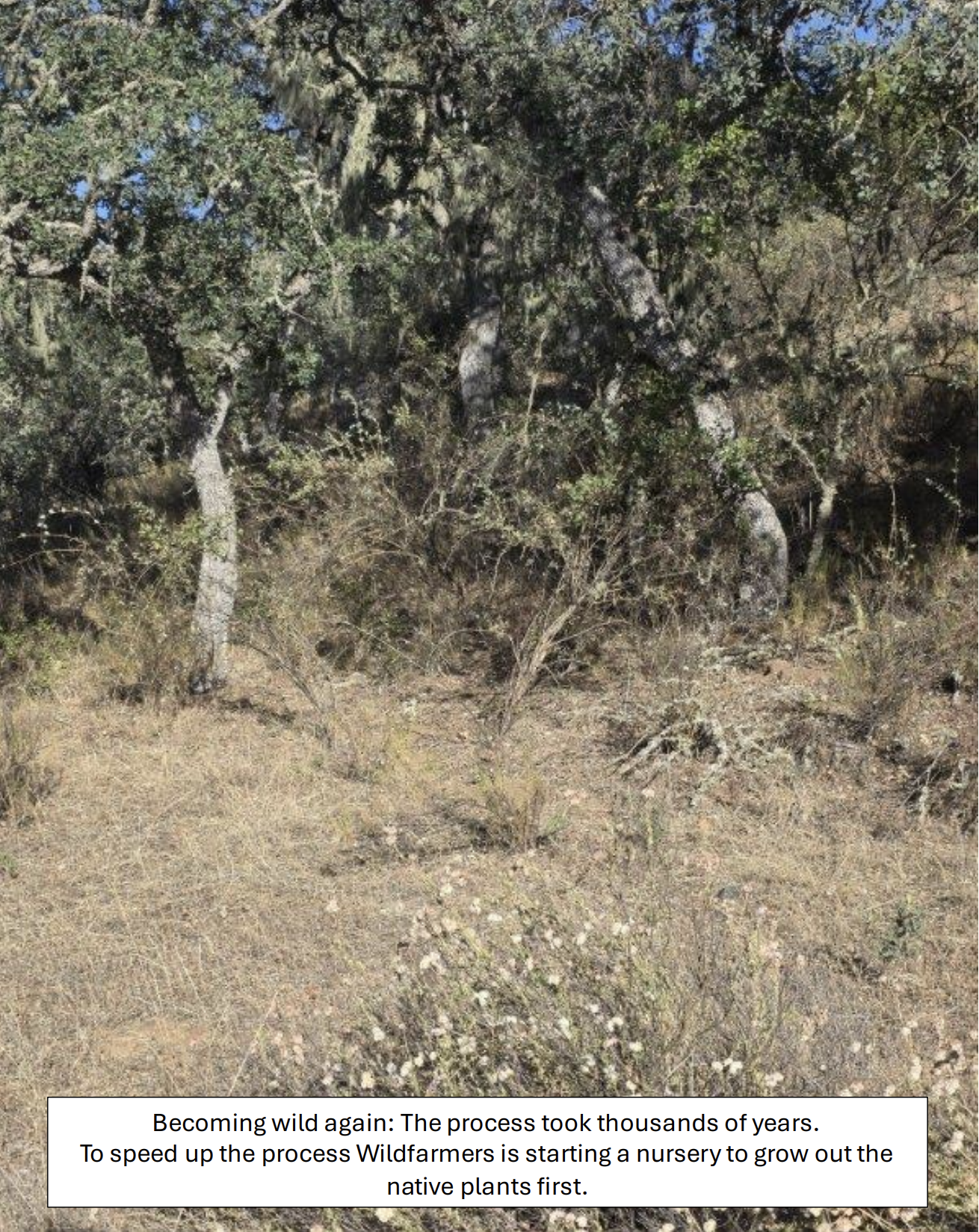
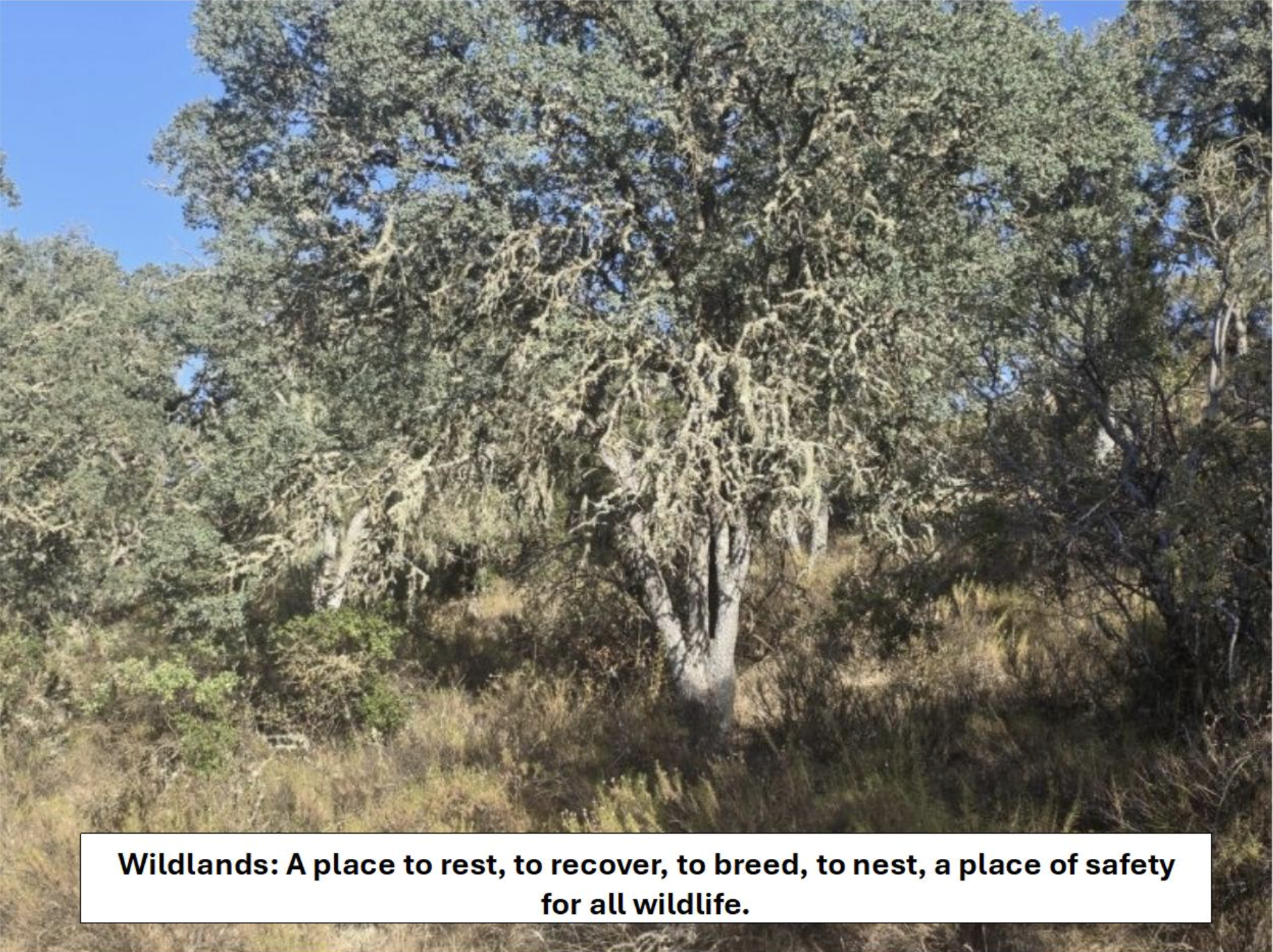
To slow this collapse, we must rebuild what we have lost. Native understory gives animals a place to rest, replenish, breed and hide. It holds water through the dry summer months, keeping the land moist and green long after the annual grasses have dried to tinder.
Research on native bunchgrasses backs up what we've seen firsthand: their roots can reach fifteen feet into the soil, drawing moisture through the entire dry season long after invasive annual grasses have died back and turned to fuel. We tested this ourselves in August 2023, at the height of fire season. For two hours we tried to ignite invasive grasses growing inside a stand of native plants, and the flame sizzled out every time it touched the ground. The moisture had carried all the way into the soil.
That water-holding capacity makes native understory one of our best allies against wildfire, not an obstacle to it. The popular idea that we must strip out all the understory to prevent fire has it backwards. Bare, invasive grassland is exactly what carries flame fastest. Our approach pairs native plantings with smarter burning: a checkerboard pattern rather than full-sheet prescribed burns, leaving living refuge between the treated blocks. That protects wildlife and keeps the understory itself healthy, while still reducing fire risk across the landscape.
The choice in front of us
Grazing pressure, habitat degradation, poaching, pleasure killing, and now the push to clear every scrap of cover in the name of fire safety, stacked together, these forces are wiping out San Benito County's wildlife. We can keep clearing the land until nothing is left to save, or we can rebuild the understory and give this ecosystem a healthy future, which in turn repays humanity by giving our communities fresh air, clean water, and a place to go to regain our mental and physical health.
We're already doing the second. In 2023 on our 40-acre property, we restored the large perennial pond and in the winter of 2024/25 we dug six small rain capture ponds to feed the aquifer beneath this land and hydrate wildlife, giving mountain lions, bobcats, tule elk, and dozens of smaller species a safe place to drink through the driest months, water that isn't bait. Where dry invasive grasses once carried flame, our restored native stand held its ground against a torch.
This isn't all or nothing. We don't have to give up cattle. We do have to start the conversation to understand how cattle, native plants, and wildlife can hold the same ground.
Support us. Come camp under the oaks and see the difference for yourself. Volunteer alongside us in the nursery or on a planting day. Share this work with someone who needs to hear it. Or donate directly to the restoration, every dollar goes back into the land.